
December coastal walk
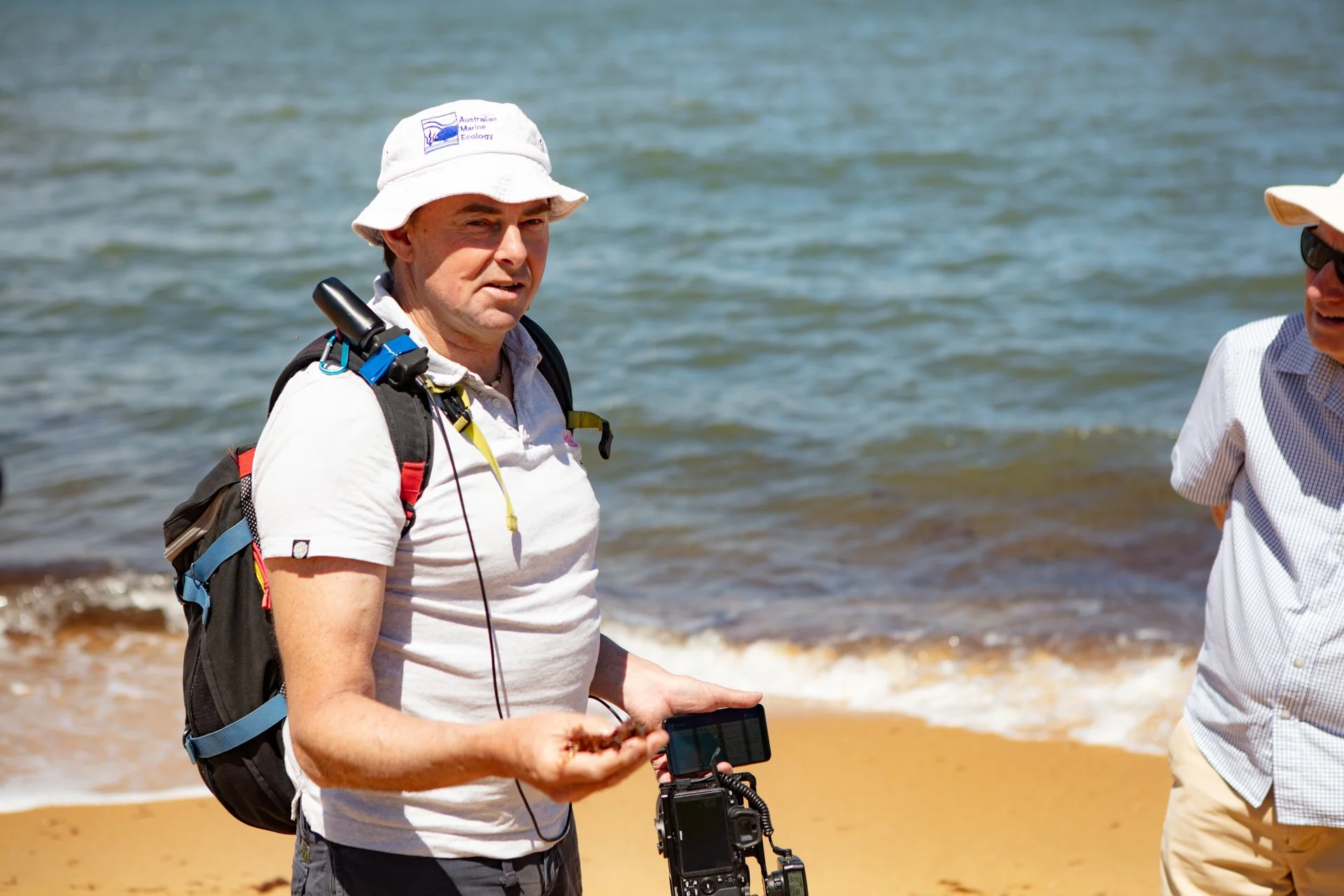
Our coastal walk last weekend was very successful. We were joined by representatives from Village Zero, Port Phillip Ecocentre, and the Yarra River Keeper Association, as well as our lead ecologist Dr Matt Edmunds of Australian Marine Ecology. For those who were able to make it, it was an informative and thrilling experience to learn from such wonderful people.
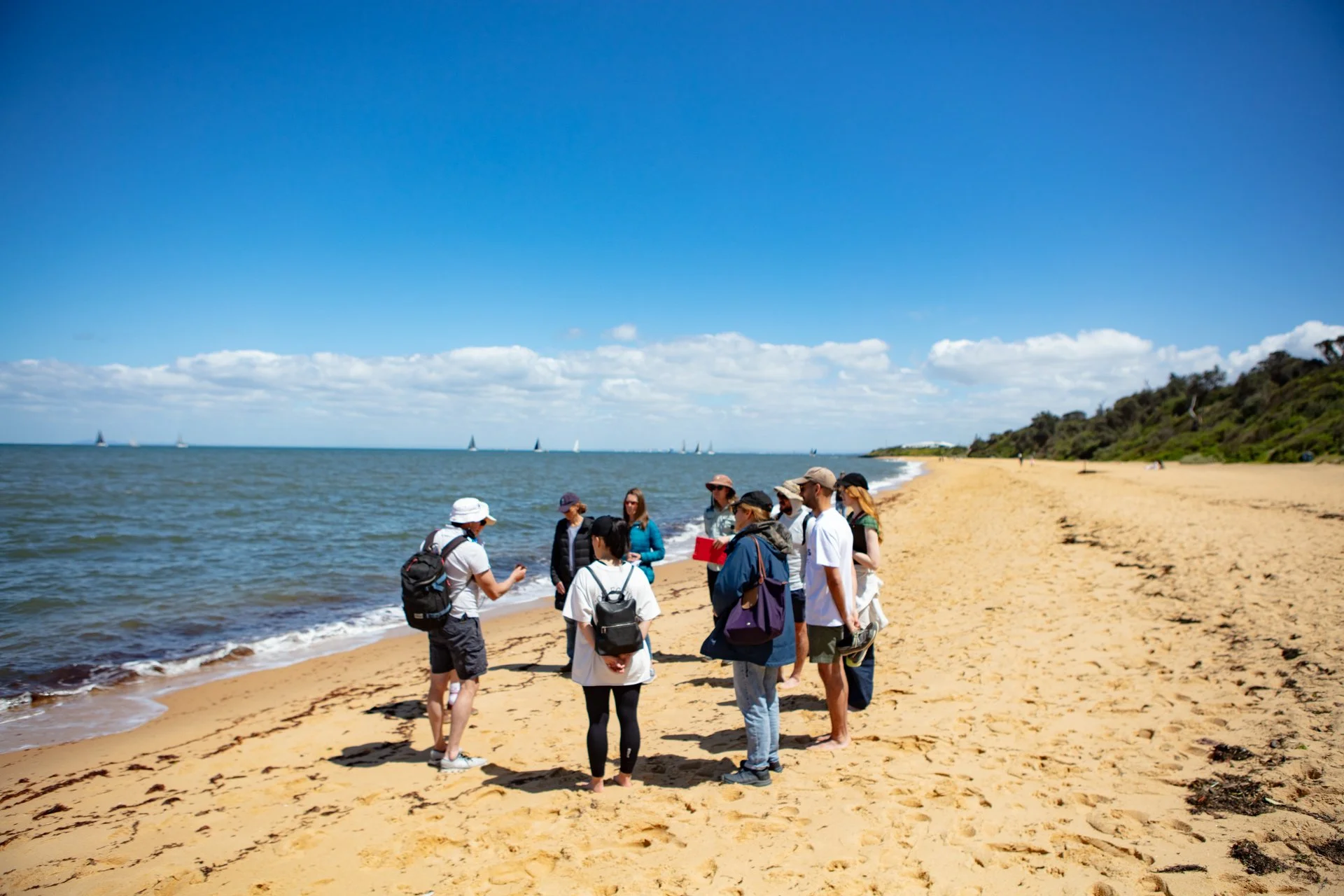
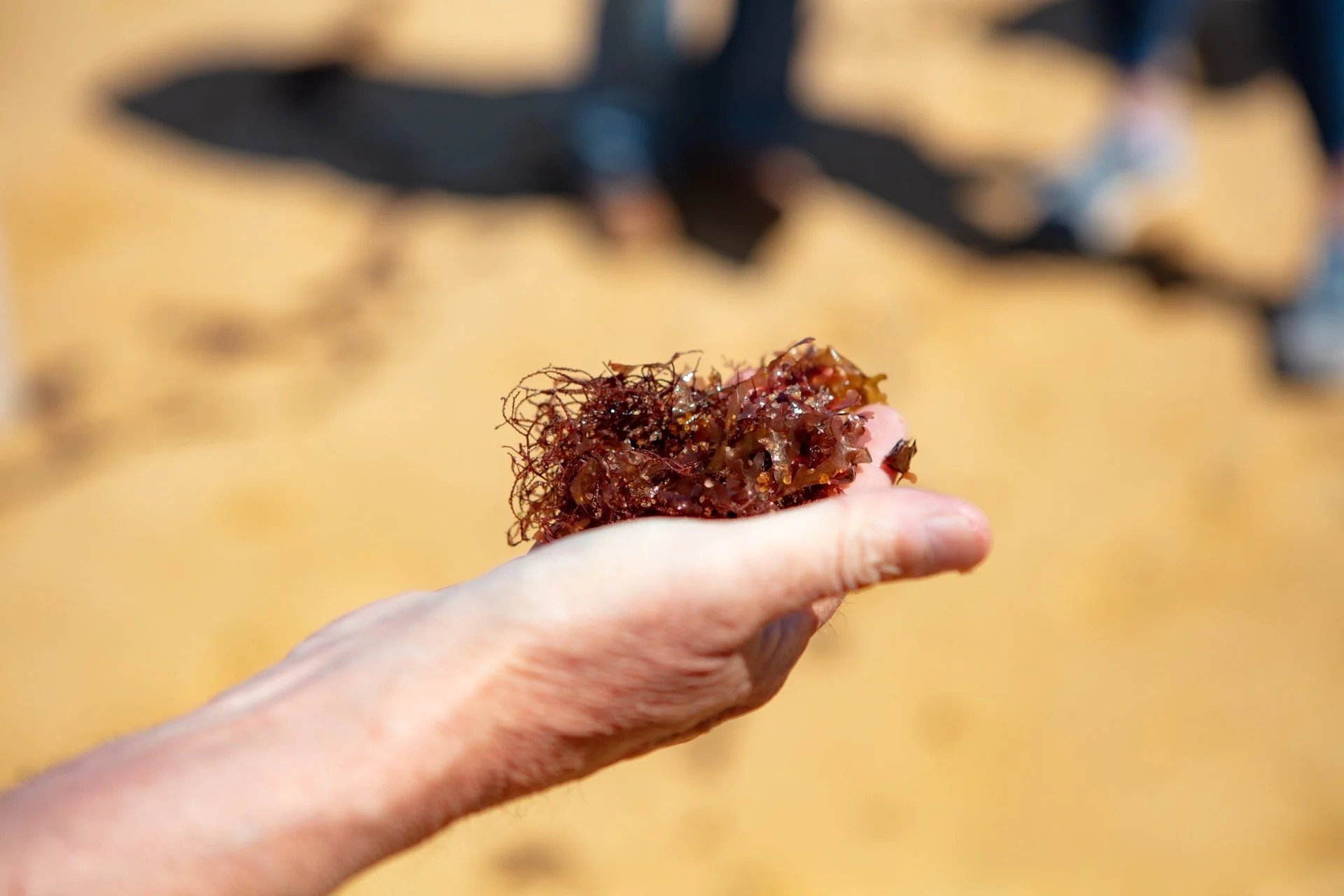
On the beach near Sandringham Life Saving Club. Dr Matt Edmunds talking about the importance of red drift algae, and how the composition of species has been changing.
There was so much to learn in actual fact, that we only ended up walking the northern half of the site. So we might do the rest in late January once everyone is back from holidays.
We learnt a lot about the area’s cultural heritage, the geomorphology of the coast (and how it’s been affected by people and nature), and how we are using and protecting it. These are all information points we add to the database and will be represented in the work we do with you in the new year.
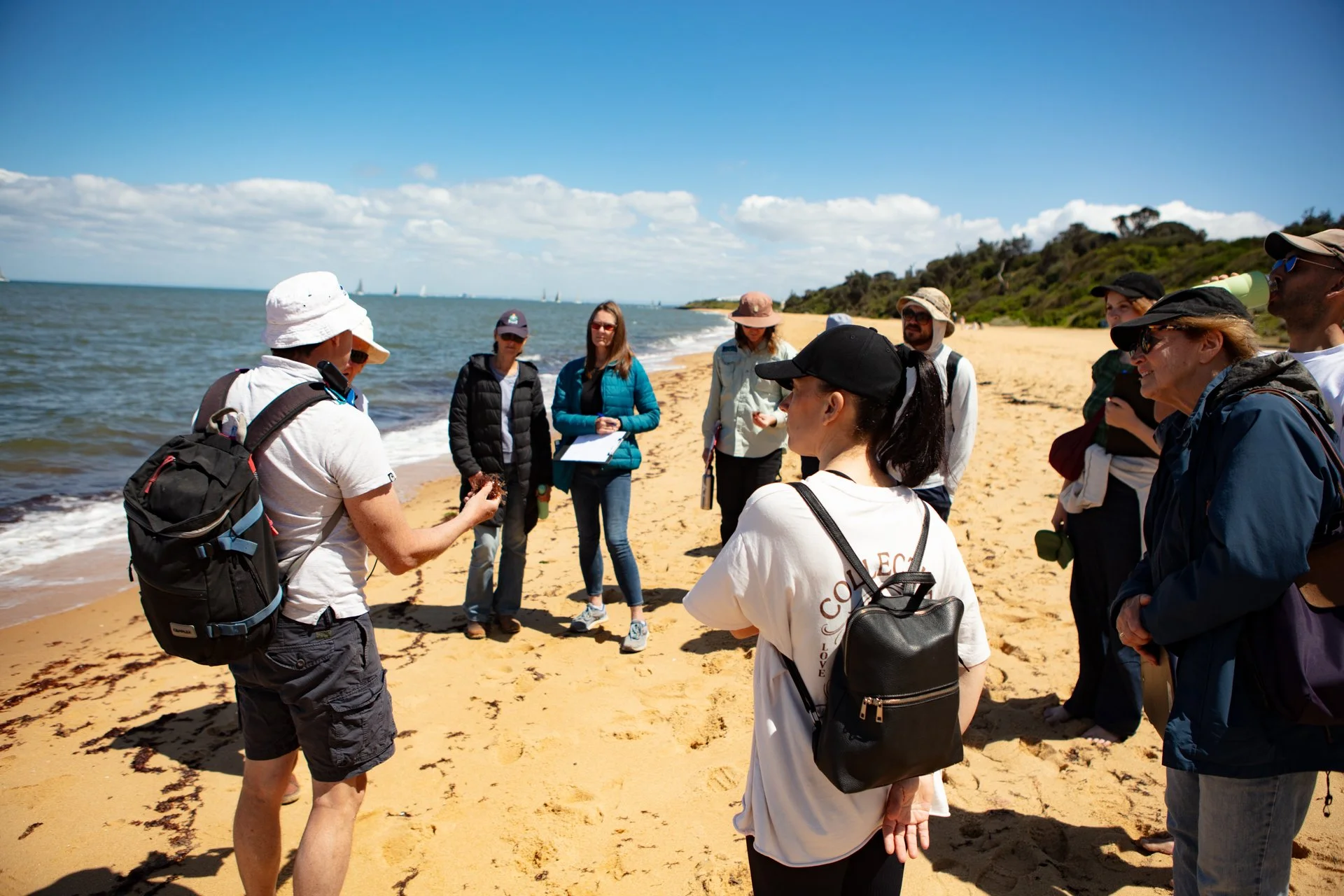
One of the aims of the day was to understand a bit more about how we all use the site. We mapped this and talked about it as we walked through.
Since then, we’ve spent a few days compiling this information into our Geographical Information System so it can form part of BioNet. I will post these maps of where we do certain activities in the coming days.
There are a few reasons this is important. As you know, we’ve been compiling information that links Features to Values via Services. In the diagram below, these are the green boxes in the centre (features) and the yellow boxes on the right (services and values).

The three important steps in the model that are normally omitted from decision-making. These are where the nature-based assets (features) connect to community values via the services nature provides. All of this might add up to a larger impact on our economy than the financial measures we normally take for granted.
But the way we interact with nature is through our activities and needs. These create pressures on the environment but they are also the way we realise this value. It’s a very personal thing for all of us. Normally in conservation, we separate people from nature. So often, decision processes stop at the idea of values and treat our activities simply as threats rather than anything socially meaningful.
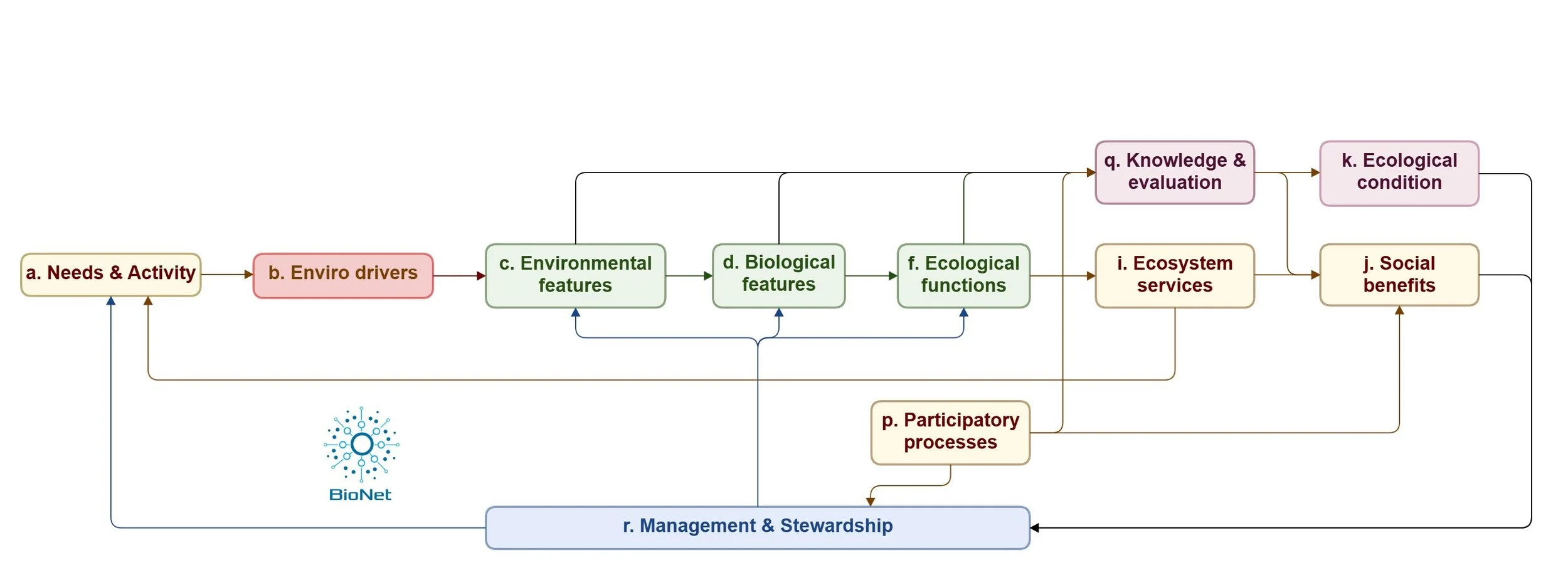
A key part of BioNet that represents the information you’ve been collecting
Once we integrate people and nature together, however, we realise that they aren’t just threats. Hopefully by now you’ve noticed, that the way we connect with nature also enhances the ecosystem and our economy.
This is the part of the program that is quite ground-breaking. This has never really been done before.
If you have any interest in protecting the bay or indeed, the livelihoods and needs of everyone living there, this is a key reason why the process we’re developing, is more likely to work for all of us. We look forward to seeing you in the new year as we quickly move towards the final stages of this important project.